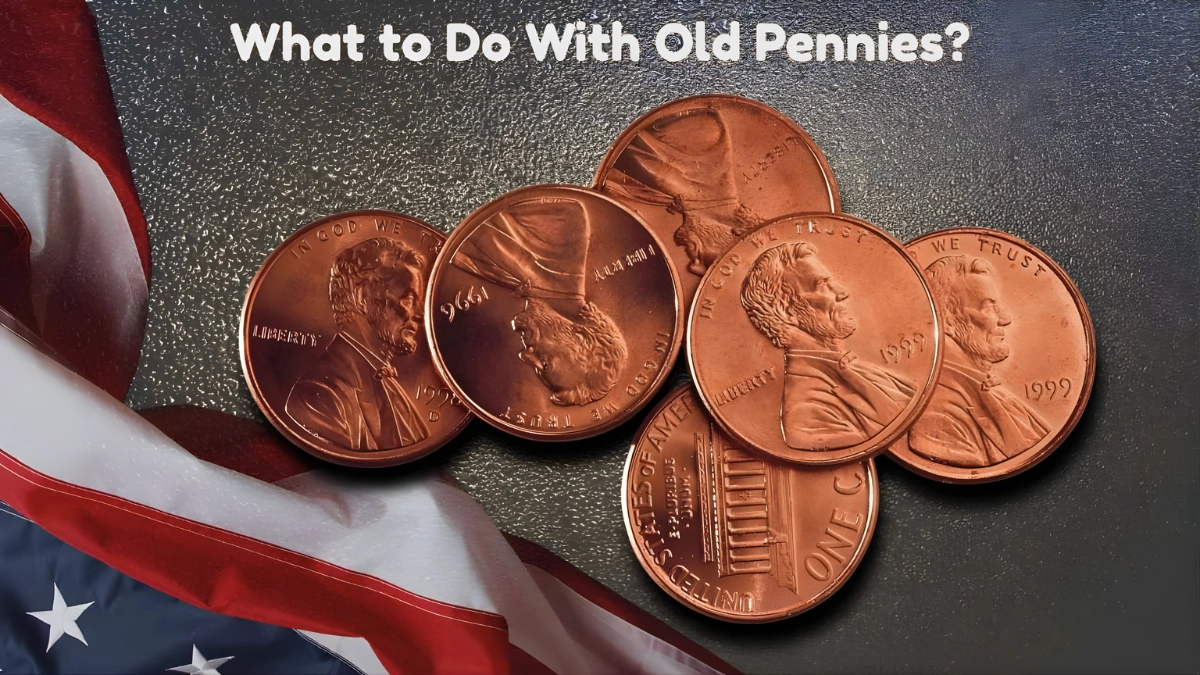
With the United States officially ending production of the penny, millions of Americans are wondering what to do with the jars, drawers, and boxes full of old copper coins they’ve collected over the years. As the penny exits circulation, its value—both sentimental and financial—is beginning to change rapidly. Whether you want to profit from your old coins or simply get rid of them, now is the best time to review your options.
Many pennies, especially those made before 1982, contain real copper and may already be worth more than one cent. Others hold collectible, historical, or rarity-based value that could make them worth far more to coin collectors. Instead of letting them gather dust, Americans have several ways to turn old pennies into cash, investments, or valuable keepsakes.
Why the U.S. Stopped Making Pennies
The decision to stop producing pennies came after years of rising production costs. For more than a decade, the U.S. Mint spent more than two cents to make a single one-cent coin, costing taxpayers millions annually. Combined with reduced usage, a shift to digital payments, and minimal purchasing power, the penny became financially inefficient to produce. Ending production helps reduce excess government spending while encouraging modern payment systems.
What You Should Do With Your Old Pennies
Now that pennies will no longer be minted, Americans should evaluate the coins they already have. Some may be worth significantly more than face value depending on metal content, year of minting, rarity, and condition. Even everyday pennies can be put to productive use if handled correctly. Whether your goal is cashing out, collecting, or preserving history, there are practical steps every penny owner should consider to maximize value.

Types of Pennies and What They’re Worth
| Penny Type | Approximate Value Range |
|---|---|
| Pre-1982 Copper Pennies (95% copper) | 2¢–3¢ melt value (varies with copper prices) |
| Wheat Pennies (1909–1958) | 10¢ to several dollars depending on condition |
| Key Dates (e.g., 1909-S, 1914-D) | $100 to thousands of dollars |
| Modern Zinc Pennies (1982–2023) | Mostly 1¢ unless rare error coins |
Values may vary based on market trends and metal prices.
Option 1: Cash Them In While Banks Still Accept Them
Banks will continue accepting pennies for deposits, but this may not last forever. If your pennies have no collectible or copper value, depositing them now is the easiest way to remove large quantities. Some stores and coinstar machines still take pennies, though fees may apply. For individuals with jars of mixed coins, this is a simple solution.
Option 2: Sell Pre-1982 Copper Pennies for Melt Value
Pennies made before 1982 contain 95% real copper, giving them significantly higher melt value than their face value. Many investors buy copper pennies in bulk, sometimes paying double or triple the original value. Sorting your coins by year can help identify high-value copper pieces.
Option 3: Look for Rare and Error Pennies Worth Thousands
Certain pennies can fetch hundreds or even thousands of dollars if they contain unique minting errors or belong to rare production years. Examples include doubled-die obverses, misplaced dates, off-center strikes, or unusual metal compositions. Coin collectors and online marketplaces frequently pay premium prices for these rare finds.

Option 4: Sell Wheat Pennies and Older Coins to Collectors
Wheat pennies (minted between 1909 and 1958) remain popular with collectors. Even common wheat pennies sell for more than face value. Key dates like the 1909-S VDB, 1914-D, and 1931-S may be extremely valuable depending on condition.
Option 5: Keep Pennies as a Long-Term Investment
With production officially stopped, the value of old pennies is expected to rise over time. Some collectors believe copper pennies and older wheat coins will become profitable long-term holdings. Storing them properly in coin tubes or protective sleeves can preserve condition and increase future resale value.
Frequently Asked Questions
Q1: Will pennies still be accepted in stores?
Yes, for now. Retailers can accept them as long as they remain legal tender.
Q2: Are copper pennies legal to melt?
Currently no, but laws may change if pennies are fully withdrawn from circulation.

Q3: Are old pennies really worth more?
Many are. Copper content, rarity, and condition can raise value significantly.
Q4: Should I sort my pennies by year?
Yes. Separating pre-1982 copper pennies and wheat pennies can increase profit.
Disclaimer: This article summarizes the current phaseout of U.S. penny production and provides general guidance for handling old coins. Values of collectible pennies depend on metal markets, rarity, condition, and buyer demand. Readers should consult professional numismatists or official U.S. Mint updates for the most accurate and current information.