Democrats Lose Shutdown Battle– The recent government shutdown may have ended, but the political storm surrounding it is far from over. While Democrats appear to have lost the short-term battle by conceding key demands to reopen the government, analysts warn that Donald Trump and the Republican Party could face the long-term political consequences of this bruising confrontation.
What Happened
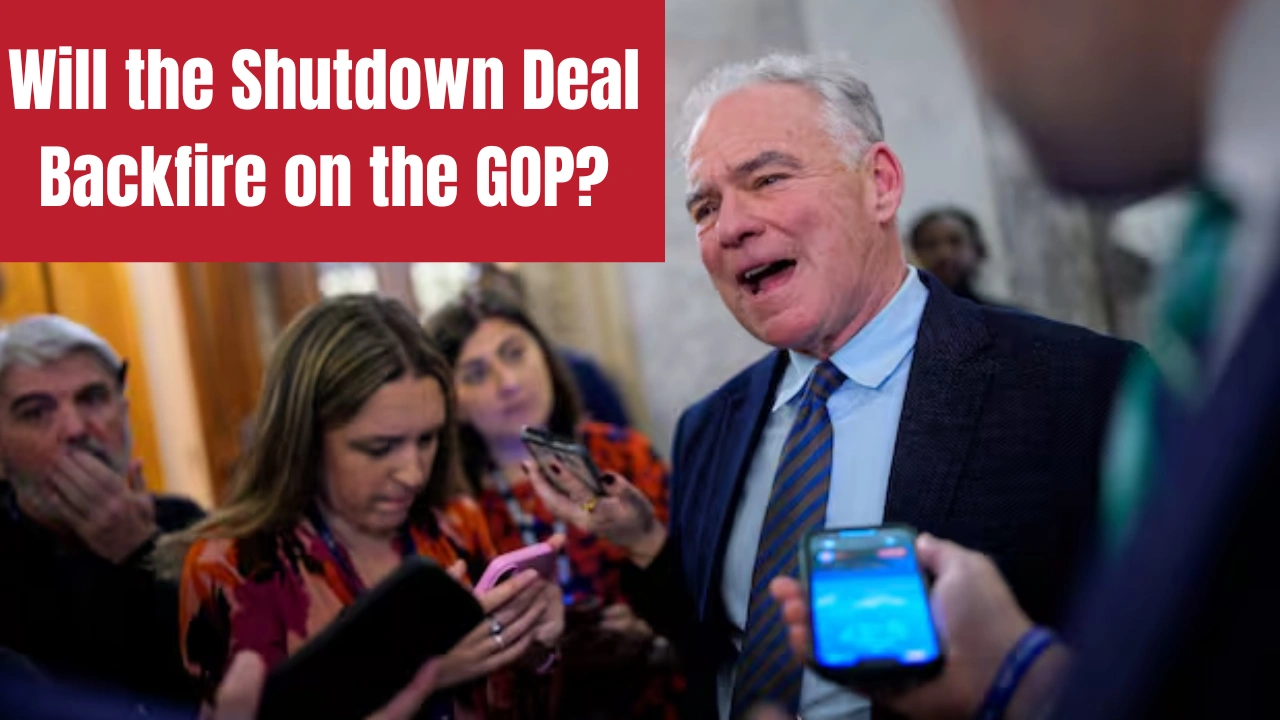
Democrats Lose Shutdown Battle: After 40 days of a historic federal government shutdown, Congress finally voted to pass a Republican-backed funding bill to reopen essential services. In a surprise move, seven Democratic senators and one independent broke ranks and sided with Republicans to end the deadlock. The final agreement restored government operations but did not include the Democrats’ top demand — an extension of expanded Affordable Care Act (ACA) subsidies.
The compromise effectively ended the longest shutdown in American history, but it came at a cost. Many Democratic voters and progressive leaders feel betrayed, arguing that party leaders “gave in too soon” and lost leverage in the fight for affordable healthcare protections.

Why Democrats Lost the Battle
Democrats entered the shutdown aiming to secure guaranteed healthcare subsidies and stronger funding protections for social programs. However, as the standoff dragged on, public frustration grew, and polling showed declining support for continuing the shutdown. Facing mounting pressure to restore federal paychecks and public services, Democratic leaders accepted a deal that fell short of their initial goals.
By doing so, they may have preserved short-term stability but sacrificed political momentum and handed Republicans a temporary win. The party’s progressive base is now calling for stronger resistance strategies in future negotiations.
Why Trump and Republicans Could Lose the War
While the GOP successfully pushed through the funding deal, experts say the political risks for Donald Trump and Republicans are much greater in the long run. By taking ownership of the post-shutdown budget and healthcare outcomes, they now bear responsibility for any fallout that follows.
If healthcare premiums rise or ACA coverage weakens — outcomes likely due to the absence of subsidy protections — Republicans could face voter backlash heading into the 2026 elections. Public perception remains volatile: while early polls blamed Republicans for the shutdown, later surveys showed blame becoming more evenly divided. Still, most Americans continue to view the GOP as primarily responsible for the crisis.
The Broader Political Impact
The shutdown exposed deep divisions in both parties. Within the GOP, moderate Republicans grew uneasy with Trump’s hardline stance, fearing damage to their reelection chances. On the Democratic side, internal tensions resurfaced between moderates favoring compromise and progressives demanding stronger confrontation.
Economically, the shutdown is estimated to have cost billions in lost productivity and delayed government payments — damage that could further erode public confidence in Washington’s leadership.

Lessons From the Standoff
This episode illustrates a timeless truth in U.S. politics: winning a battle doesn’t always mean winning the war. Democrats may have conceded the immediate fight, but Republicans could suffer deeper consequences if voters associate them with economic instability and healthcare uncertainty.
Political analysts suggest that the outcome mirrors past shutdowns — short-term blame may shift, but long-term responsibility often lands on the party in power.
Conclusion: The 40-day government shutdown of 2025 will be remembered as one of the most polarizing episodes of the decade. Democrats may have lost the battle by accepting a deal short of their ambitions, but Donald Trump and the Republican Party could yet lose the war if the consequences of their budget strategy come back to haunt them in the next election.
Only time — and the American voter — will decide which side truly pays the price for this political showdown.
Disclaimer: This article is based on publicly available reports, political analyses, and verified news sources. It is intended for informational and educational purposes only and does not represent any political endorsement or bias. Readers are advised to refer to official government statements or trusted news outlets for the most up-to-date and verified information.