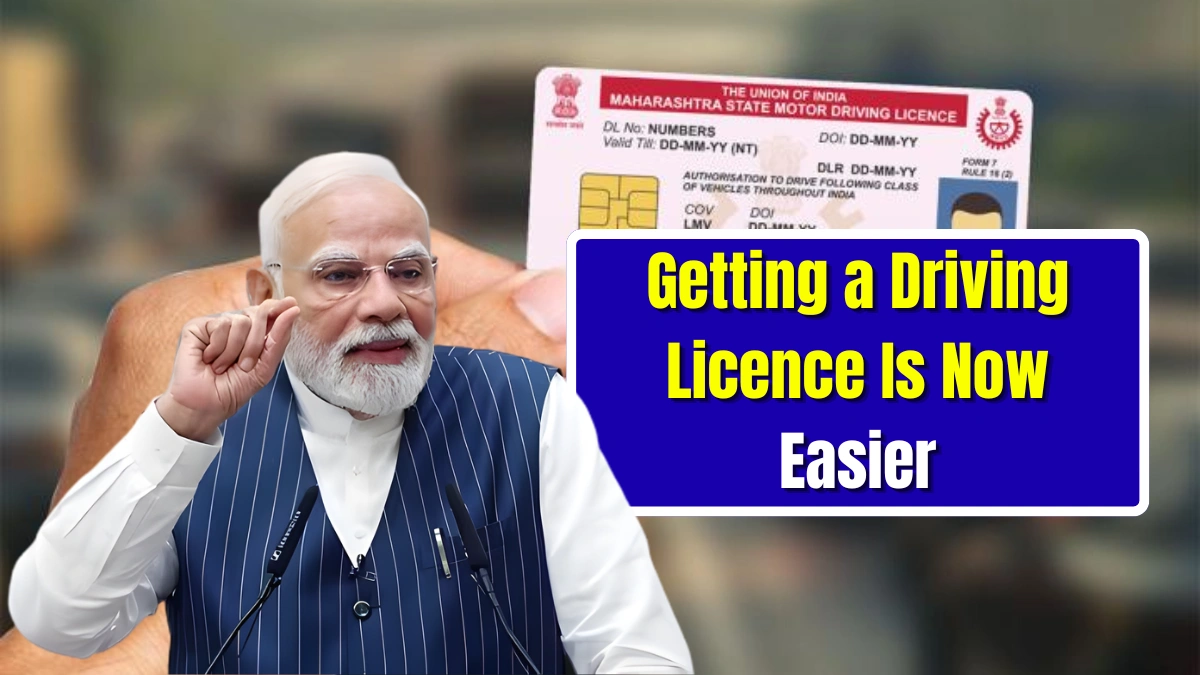
Driving Licence New Rules: The central government has released a fresh set of rules for issuing driving licences in India, making the process simpler, faster and more transparent. These new norms focus on reducing the load on RTO offices, promoting digital applications and allowing private driving schools to conduct licence tests. The new reforms aim to modernize India’s licensing system while improving road safety and compliance.
Private Driving Schools Can Now Conduct Driving Tests
One of the biggest changes in the new rules is that accredited private driving schools can now conduct driving tests. Earlier, all applicants had to appear for the test at the RTO, which created long queues and delays. Under the new rules, once a candidate clears the test at a recognized driving training center, the certificate is sent directly to the RTO for licence issuance.

Digitized Application Process for Faster Approval
The new driving licence rules encourage a completely digital process. Applicants can now submit their documents online, upload photos, book test slots and track application status through the Parivahan portal. Reduced paperwork makes the entire process faster and more convenient, especially for first-time applicants.
Updated Fee Structure and Validity Rules
The government has also revised fees for learner’s licence, driving test and new licence issuance. The validity of a private vehicle licence will now extend up to 20 years or until the applicant turns 40 years old, whichever comes earlier. Commercial licences carry shorter validity, as per safety guidelines.

Simpler Rules for Learner’s Licence
The process to obtain a learner’s licence has become more user-friendly. Applicants can take the LL test online in some states, submit Aadhaar-based identity verification and receive the learner’s licence digitally. This reform helps reduce visits to RTO offices and speeds up the process for new drivers.
Better Training and Safety Standards
Driving schools that wish to conduct final tests must follow strict training standards. They must have qualified instructors, proper vehicles, and updated assessment systems. This ensures that applicants are trained well and fully prepared before getting a permanent driving licence.

Why These Rule Changes Matter
The new 2026 rules simplify the licence process for millions of Indians. Applicants will benefit from shorter waiting times, reduced paperwork, easier documentation and transparent evaluation. Allowing private training centers to conduct tests will also improve access in rural and semi-urban areas.
Conclusion: The new driving licence rules 2026 mark a major reform in India’s transport sector. With digital applications, private test centers and updated validity norms, the licencing process becomes smoother and more efficient. Applicants should stay updated and follow the new guidelines while applying for or renewing their driving licence.

Disclaimer: This article is for informational purposes only. Rules and processes may vary by state and may be updated by the Ministry of Road Transport & Highways. Always check official notifications before applying.