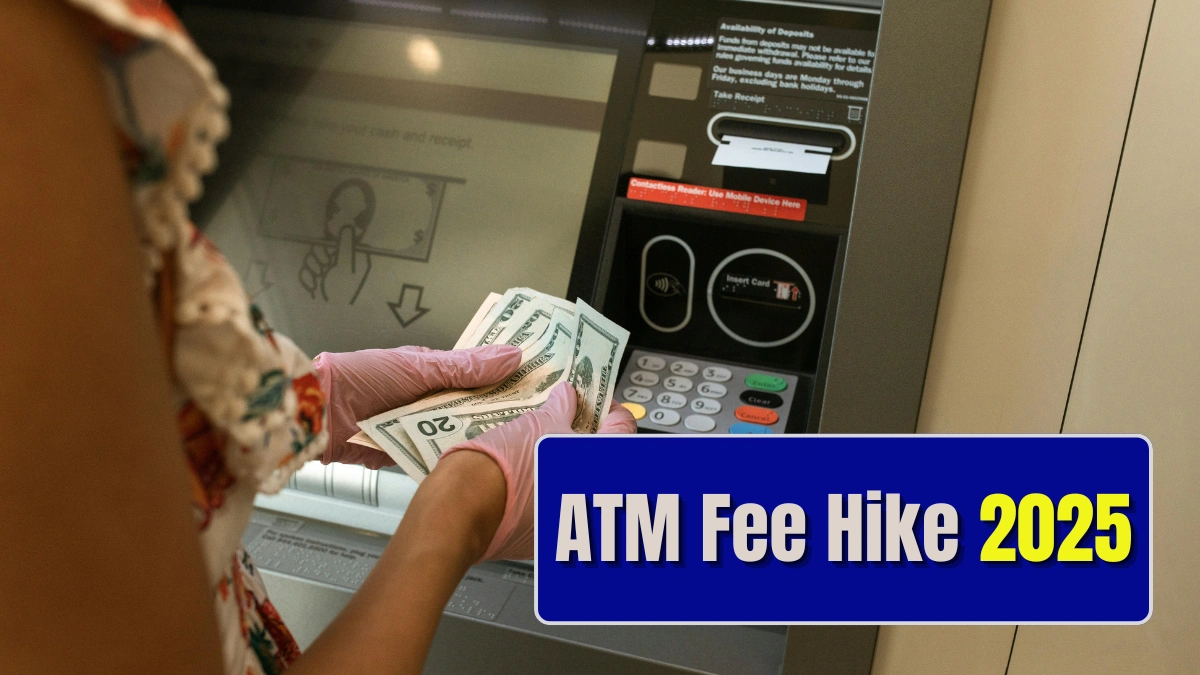
ATM Fee Hike 2026: The Reserve Bank of India (RBI) has officially increased ATM transaction fees for all banks starting May 2026. From now on, customers will have to pay ₹23 per transaction once their free monthly limit is exhausted. This update directly affects millions of debit card users who rely on ATMs for cash withdrawals and other banking activities.
RBI’s New Guidelines for ATM Fees
According to the latest circular, banks across India can now charge up to ₹23 (plus applicable taxes) for every ATM transaction made after crossing the free monthly quota. This hike replaces the earlier limit of ₹21 per transaction. However, the number of free transactions remains unchanged, ensuring basic convenience for regular users.
For customers using their own bank’s ATMs, five free transactions per month will continue to be available. For other bank ATMs, the rule depends on the city category. Metro cities such as Mumbai, Delhi, Chennai, Bengaluru, Hyderabad, and Kolkata will allow three free transactions per month, while non-metro cities will allow five.

Financial and Non-Financial Transactions Under the New Rule
The new fee applies to both financial and non-financial transactions. That means whether you withdraw cash, check your account balance, or request a mini-statement, each extra transaction beyond the free limit can cost ₹23. Customers are advised to manage their ATM visits wisely to avoid unnecessary charges.
Impact on Common Bank Customers
This fee revision may not impact occasional ATM users but can affect those who make frequent withdrawals or check their balance multiple times a month. For salaried employees or senior citizens relying heavily on ATMs, the increase could slightly raise their monthly banking expenses. Digital banking options like UPI and internet banking may help reduce the need for repeated ATM visits.

RBI’s Reason Behind the Fee Hike
The RBI justified the fee increase by citing rising operational costs, maintenance expenses, and the growing need for ATM upgrades across the country. Banks have also highlighted the cost of security, cash replenishment, and machine maintenance, which have significantly gone up since the last fee revision in 2021.
Read More: EPF Interest Rate 2024-25 Fixed at 8.25%: Big Relief for 7 Crore Employees as Govt Confirms Update
City-Wise Transaction Limit at a Glance
| City Type | Own Bank ATM | Other Bank ATM | Fee After Free Limit |
|---|---|---|---|
| Metro Cities | 5 Free | 3 Free | ₹23 + GST per transaction |
| Non-Metro Cities | 5 Free | 5 Free | ₹23 + GST per transaction |
How to Avoid Paying Extra Charges
To minimize ATM fees, customers can plan larger withdrawals instead of multiple smaller ones. Using your bank’s own ATM for cash withdrawals and checking your balance online can help stay within the free limit. Digital payment apps and online transfers are also effective alternatives for day-to-day money management.

Conclusion: The ATM Fee Hike 2026 marks a small but significant change for Indian banking customers. While ₹23 per transaction may seem minor, frequent users could notice the difference. It is essential to stay informed about your bank’s ATM policy and adopt digital banking habits to avoid extra costs.
Disclaimer: This article is for informational purposes only. Readers are advised to verify details directly with their respective banks, as individual institutions may have their own fee structures or exemptions.