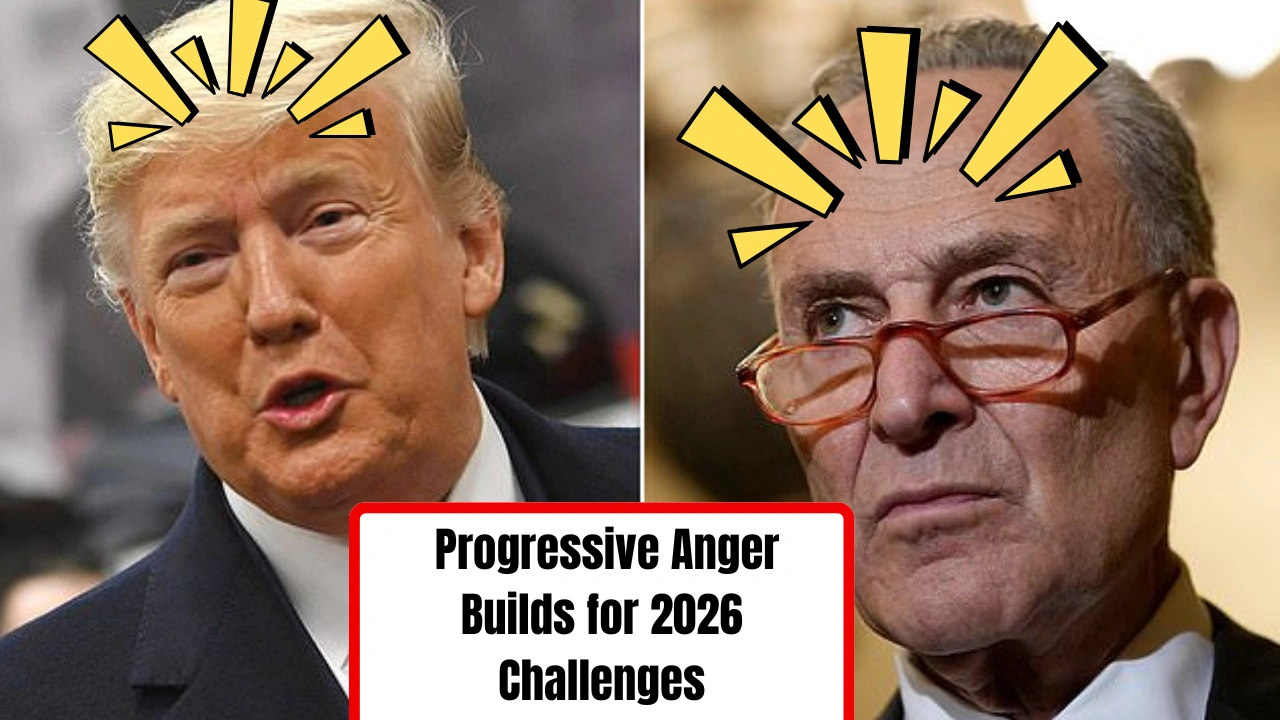
Shutdown Over: After more than 40 days of political stalemate, the U.S. government shutdown is finally coming to an end, bringing relief to millions of federal workers and Americans affected by halted services. Yet, within the Democratic Party, the reopening may mark the start of a new internal battle — one that could define the 2026 primaries and reshape the party’s leadership.
What Happened
Shutdown Over- Congress has reached a bipartisan deal to reopen the government, with both the House and Senate approving a short-term funding bill that restores federal operations. The measure came after weeks of partisan gridlock that left thousands of workers unpaid and critical programs — including food assistance and housing aid — under severe strain.
While Republicans celebrated what they call a fiscal victory, the mood among Democrats is far more complicated. Many in the party’s progressive wing feel betrayed by leadership’s decision to concede on major issues like Affordable Care Act (ACA) subsidies and expanded social spending, accusing them of “giving in too easily.”
Progressive Anger on the Rise
Progressive leaders and grassroots activists are already signaling plans to challenge moderate incumbents in the upcoming 2026 Democratic primaries. They argue that party leaders failed to use the shutdown leverage to secure key protections for healthcare, workers’ rights, and climate initiatives.

According to several Democratic strategists, the anger is especially intense among younger voters and activists aligned with movements such as Justice Democrats and Our Revolution. They believe the shutdown deal exposed a lack of bold leadership at a time when voters expected Democrats to stand firm.
One progressive organizer told reporters, “Democrats didn’t just end the shutdown — they ended their credibility with the base. We’ll make sure 2026 reflects that.”
Divisions Within the Party
The shutdown fight has deepened existing rifts between moderates who emphasize fiscal responsibility and progressives pushing for aggressive social reforms. Senior figures in the Democratic leadership argue that compromise was the only realistic way to protect the economy and federal workers.
However, progressives insist that the compromise signals weakness, not pragmatism. They point to lost public trust and the risk of disengaged voters in 2026 if the party fails to present a strong, values-driven alternative to Republican governance.

How the Shutdown Fallout Could Shape 2026
Political analysts say the Democratic leadership backlash could have major implications for next year’s primaries. A wave of progressive challengers could target high-profile incumbents, particularly in blue districts where frustration is highest.
Some names already floated for potential primary challenges include members of the House Democratic leadership team, as well as senators viewed as too centrist. Progressive PACs are reportedly preparing to channel funding into left-wing campaigns, turning 2026 into a test of whether the party can bridge its ideological divide.
Broader Political Impact
The shutdown’s political consequences may not be limited to Democrats. While Republicans currently enjoy a short-term victory, the long-term blame could still shift if voters feel that GOP policies worsened inequality or undercut essential programs.
But for now, it’s the Democrats who appear more fractured. The end of the shutdown may have restored government services — but it also exposed deep tensions within the party’s identity and direction.

What Comes Next
With the government reopening, Democratic leaders will attempt to reunite their base around upcoming legislative priorities, including housing reform, climate policy, and healthcare protections. However, political experts caution that rebuilding trust will be difficult before the 2026 campaign season begins in earnest.
If the leadership backlash continues to grow, the 2026 Democratic primaries could become a referendum on the party’s direction — between pragmatism and progressivism, compromise and conviction.
Conclusion: The shutdown may be ending, but for Democrats, it could mark the beginning of something bigger — a leadership reckoning. As the party looks ahead to 2026, internal divisions threaten to overshadow legislative victories, testing whether Democrats can unify before voters head back to the polls.
Disclaimer: This article is for informational and educational purposes only. It is based on publicly available political analyses and reports as of November 2025. The situation surrounding the U.S. government shutdown, party leadership, and election forecasts may change. Readers are encouraged to follow verified outlets such as Congress.gov, Politico, and The Washington Post for the latest updates.